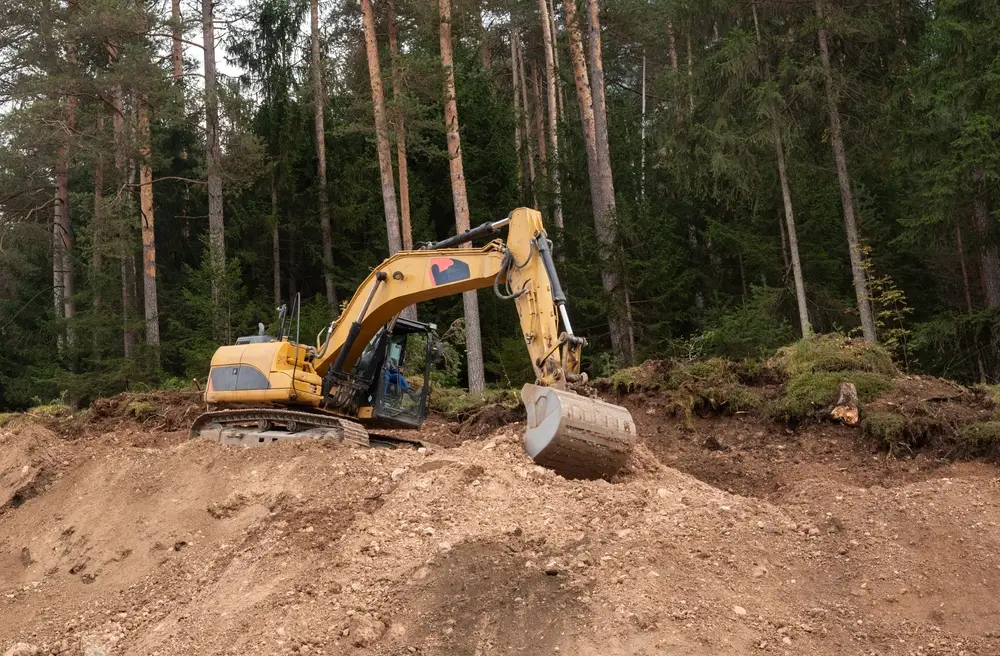

Operating forestry equipment requires specialized knowledge, skill, and most importantly, an unwavering commitment to safety. Whether you’re clearing land, harvesting timber, or maintaining forest roads, the powerful machinery used in forestry operations presents unique hazards that demand respect and preparation. At Forestry Equipment Depot, we understand that your safety is paramount to successful operations, and we’re committed to helping contractors and operators maintain the highest safety standards while maximizing productivity.
The forestry industry consistently ranks among the most hazardous occupations, with equipment-related incidents accounting for a significant portion of workplace injuries. However, with proper training, equipment maintenance, and adherence to proven safety protocols, these risks can be dramatically reduced. This comprehensive guide covers essential safety practices that every forestry equipment operator should implement to protect themselves, their crew, and their investment.
Pre-operation safety inspection and preparation
Before starting any forestry equipment, conducting a thorough pre-operation inspection is your first line of defense against potential accidents. A systematic walk-around inspection should be performed at the beginning of each work shift, checking for hydraulic leaks, damaged hoses, loose bolts, and any signs of wear or structural damage. Pay particular attention to cutting chains, saw bars, and attachment points, as these components experience the highest stress during operation.
Verify that all safety devices are functioning properly, including emergency stops, backup alarms, and lighting systems. Inspect the operator’s cab or platform for damaged glass, faulty door latches, and worn seat belts. Ensure that fire extinguishers are properly charged and easily accessible, and check that first aid supplies are complete and readily available.
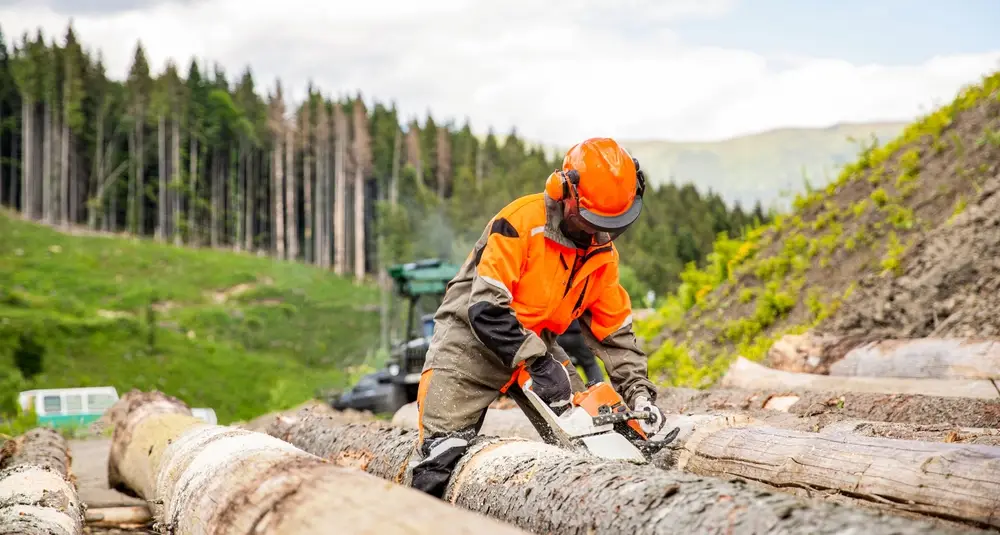
Personal protective equipment (PPE) selection is equally critical. Hard hats, safety glasses, hearing protection, cut-resistant clothing, and steel-toed boots should be worn at all times. For chainsaw operations, additional protection including chainsaw chaps, face shields, and cut-resistant gloves are essential. Never compromise on PPE quality or completeness, as it serves as your last line of defense against injury.
Equipment operation best practices
Safe equipment operation begins with thorough familiarity with your machinery’s capabilities and limitations. Read and understand the operator’s manual completely before operating any new equipment, and ensure all operators receive proper training on specific machine functions and safety procedures. Different manufacturers may have varying control layouts and operating characteristics that require adjustment periods.
Maintain three points of contact when mounting or dismounting equipment, and never jump from the operator’s platform. Always engage parking brakes and lower all implements to the ground before leaving the operator’s seat. When working on slopes, understand your machine’s stability limits and never exceed manufacturer-recommended grade percentages.
Establish clear communication protocols with ground crew members, using standardized hand signals or radio communications. Create and maintain exclusion zones around operating equipment, typically extending at least two tree lengths in all directions during felling operations. Never allow personnel to work beneath suspended loads or within the swing radius of rotating equipment.
Chainsaw and cutting attachment safety
Chainsaw operations demand heightened awareness due to the extreme cutting forces involved. Always maintain proper chain tension and sharpness, as dull chains require excessive force and increase kickback risks. Start chainsaws on level ground with a secure grip, never attempt drop-starting, and allow the engine to warm up before beginning cutting operations.
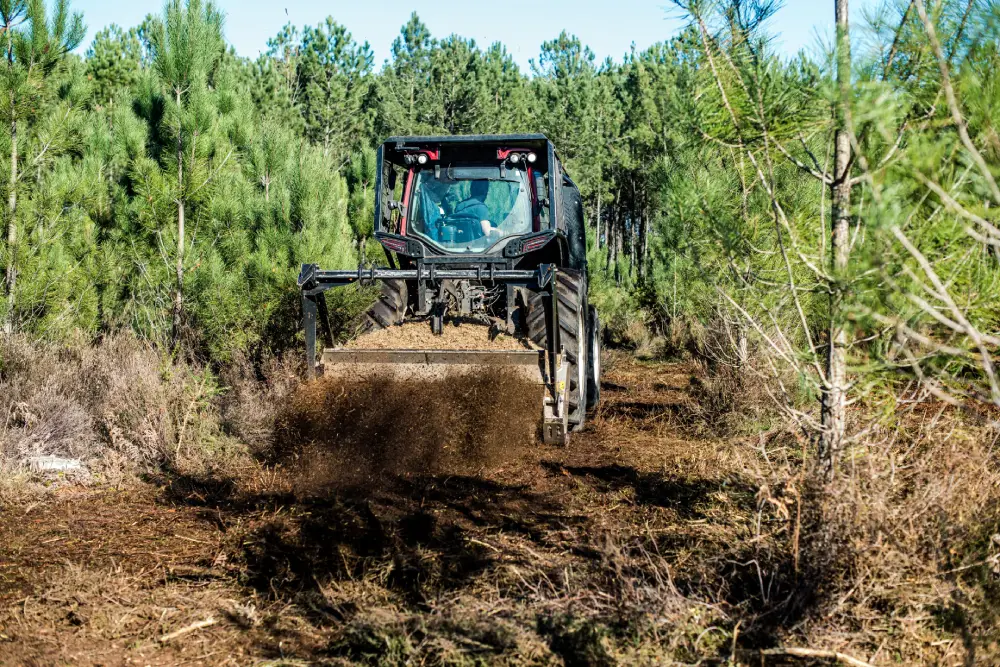
When operating forestry equipment with cutting attachments such as mulchers or brush cutters, maintain awareness of debris projection patterns. Position the machine to direct debris away from personnel and sensitive equipment, and ensure all bystanders remain outside the danger zone. Regularly inspect cutting tools for damage or excessive wear that could cause attachment failure during operation.
Environmental hazard awareness
Forest environments present numerous hazards that require constant vigilance and adaptive safety measures. Weather conditions can change rapidly and dramatically affect equipment stability and visibility. High winds increase the unpredictability of falling trees, while wet conditions reduce traction and increase the likelihood of equipment becoming stuck or losing stability.
Overhead hazards include dead branches, damaged tree tops, and power lines that may not be immediately visible in dense forest conditions. Conduct thorough site surveys before beginning work, identifying potential widow makers, unstable trees, and underground utilities. Maintain awareness of terrain changes, hidden obstacles, and seasonal conditions such as snow load or fire danger that may affect operation safety.
Wildlife encounters, while less common, can pose significant risks in remote forest locations. Establish protocols for wildlife sightings and maintain emergency communication capabilities when working in isolated areas. Carry emergency supplies including water, food, and signaling devices appropriate for the working environment and season.
Emergency response planning
Develop comprehensive emergency response procedures covering medical emergencies, equipment failures, and natural disasters. Ensure all crew members know evacuation routes and emergency contact procedures. Maintain updated emergency contact lists and verify cell phone coverage or satellite communication availability in remote work areas.
Establish clear protocols for reporting incidents and near-misses, creating a culture where safety concerns can be raised without fear of reprisal. Regular safety meetings should review recent incidents, discuss seasonal hazards, and reinforce proper procedures. Document all safety training and maintain certifications current for equipment operators and support personnel.
Maintenance and equipment reliability
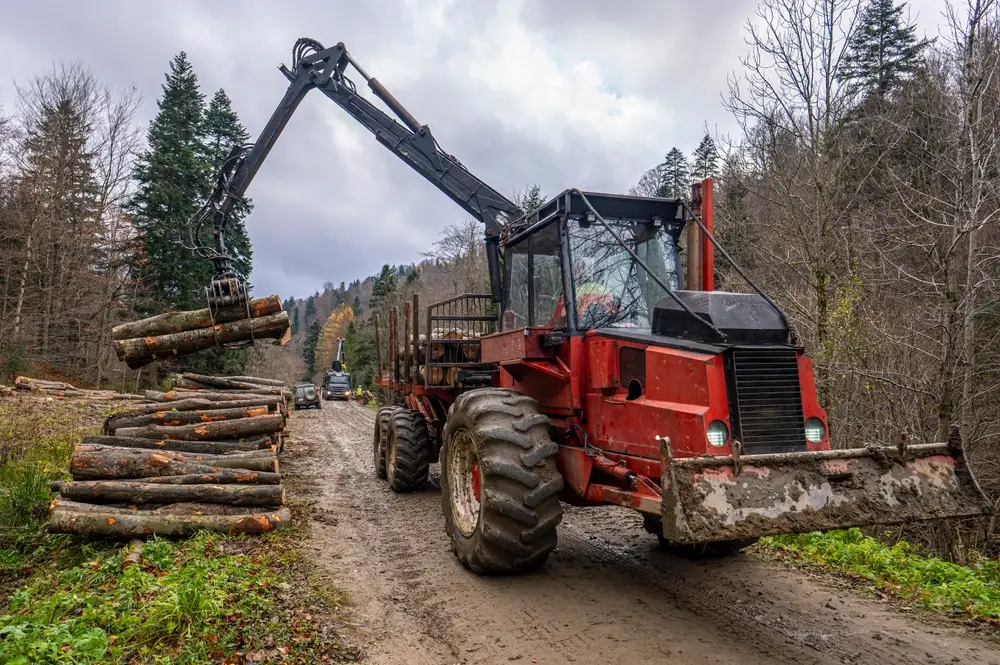
Proper maintenance is fundamental to safe forestry equipment operation. Follow manufacturer-recommended service intervals religiously, and never defer critical maintenance items such as brake system service, hydraulic system inspections, or structural component examinations. Keep detailed maintenance records that can help identify recurring problems before they lead to failures.
Pay special attention to wear items that directly affect safety, including brake pads, hydraulic hoses, and cutting chain components. Replace worn parts before they reach failure points, and always use manufacturer-approved replacement parts to ensure proper fit and performance specifications.
Store equipment properly when not in use, protecting it from weather extremes and unauthorized access. Implement lockout/tagout procedures for maintenance activities, ensuring equipment cannot be started accidentally while service work is being performed.
Invest in safety with Forestry Equipment Depot
At Forestry Equipment Depot, we believe that safe operations start with quality equipment and comprehensive support. Our team of experienced professionals can help you select the right machinery for your specific applications while ensuring you have access to proper training resources and genuine replacement parts.
Contact us today to discuss your forestry equipment needs and learn how our commitment to safety and reliability can support your operations. From initial equipment selection through ongoing maintenance support, we’re your trusted partner in forestry equipment solutions. Visit our facility to experience our extensive inventory of professional-grade forestry equipment, or speak with our knowledgeable staff about implementing comprehensive safety programs that protect your most valuable assets – your operators.