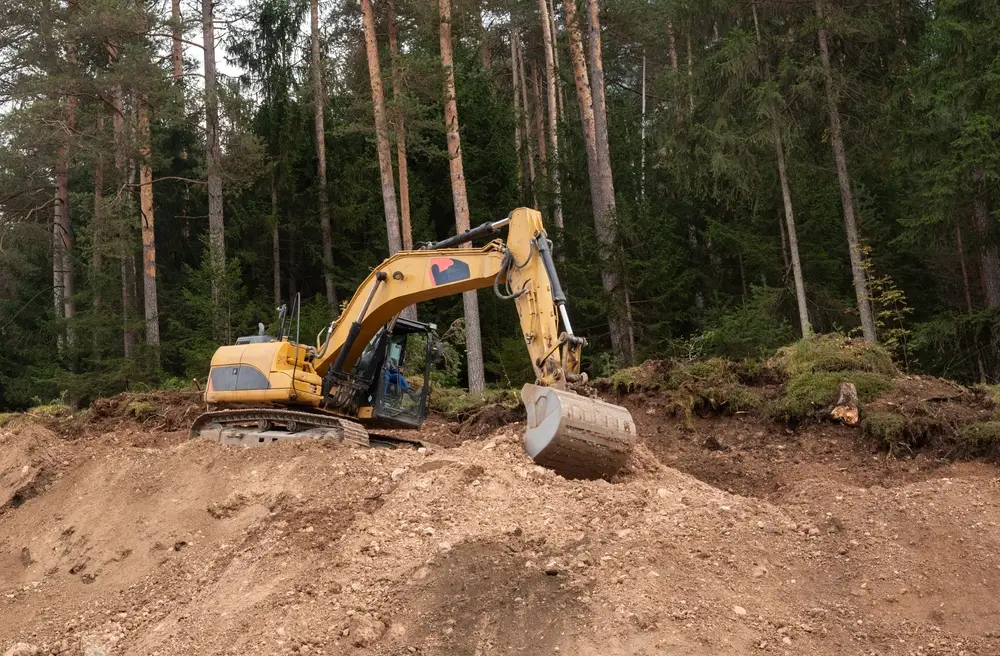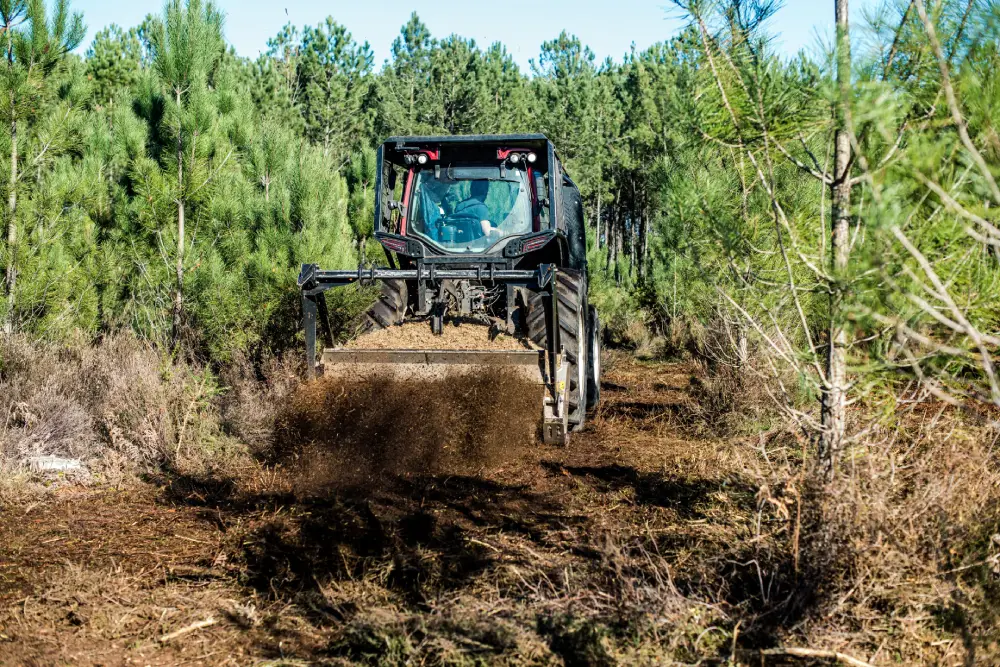
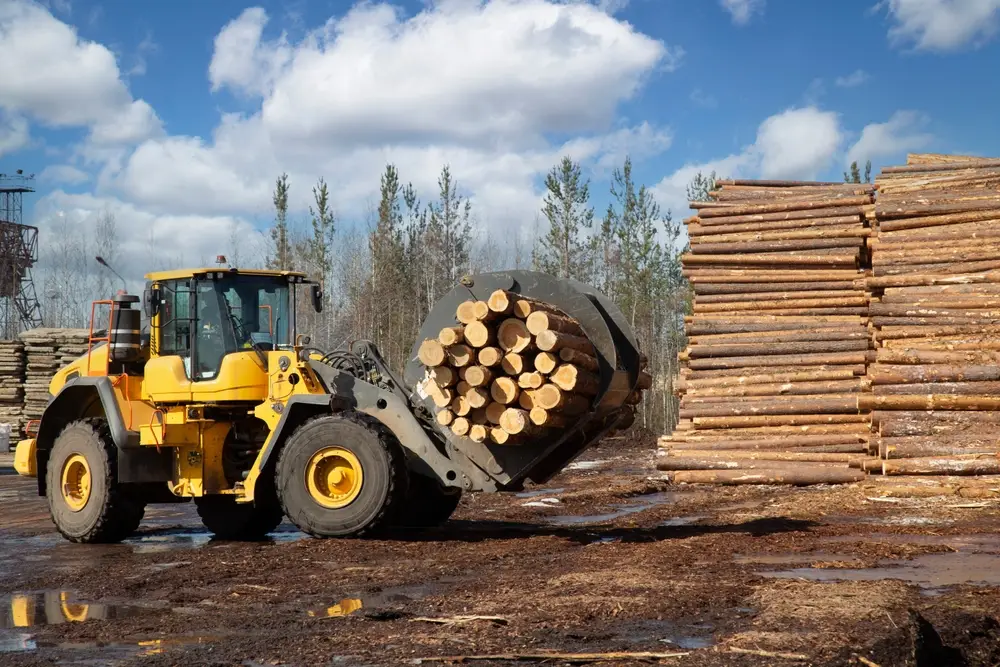
Proper seasonal maintenance is the cornerstone of reliable forestry equipment performance. Whether you’re operating heavy-duty feller bunchers, versatile skidders, or precision delimbers, following a comprehensive maintenance schedule protects your investment and ensures optimal productivity year-round. At Forestry Equipment Depot, we understand that downtime costs money, which is why we’ve developed this essential seasonal maintenance checklist to keep your machinery running at peak performance through every season.
Regular maintenance not only extends equipment lifespan but also prevents costly breakdowns during critical operational periods. This systematic approach to equipment care helps contractors and operators maintain their competitive edge while reducing unexpected repair expenses and maximizing return on investment.
Spring maintenance preparation
Spring marks the beginning of the intensive forestry season, making thorough equipment preparation absolutely critical. After months of winter storage or reduced operation, your machinery requires comprehensive inspection and servicing to handle the demanding work ahead.
Start your spring maintenance routine by conducting a complete visual inspection of all equipment. Look for signs of corrosion, damaged hoses, loose connections, or worn components that may have deteriorated during winter storage. Pay particular attention to hydraulic systems, as temperature fluctuations can affect seals and fluid viscosity.
Engine preparation tops the priority list for spring maintenance. Change engine oil and filters, regardless of operating hours, as moisture accumulation during storage can contaminate lubricants. Inspect air filters for debris or moisture damage, and replace if necessary. Check coolant levels and condition, ensuring proper antifreeze concentration for spring weather conditions.
Hydraulic systems require special attention during spring startup. Inspect hydraulic fluid levels and quality, looking for contamination or moisture. Replace hydraulic filters and check all hoses for cracks, bulges, or signs of wear. Test all hydraulic functions at low pressure initially, gradually increasing to operating pressure while monitoring for leaks or unusual noises.
Battery maintenance is crucial after winter storage. Clean terminals, check electrolyte levels, and test battery capacity. Cold weather can significantly reduce battery performance, so consider replacement if batteries show signs of weakness or reduced cranking power.
Summer operating maintenance
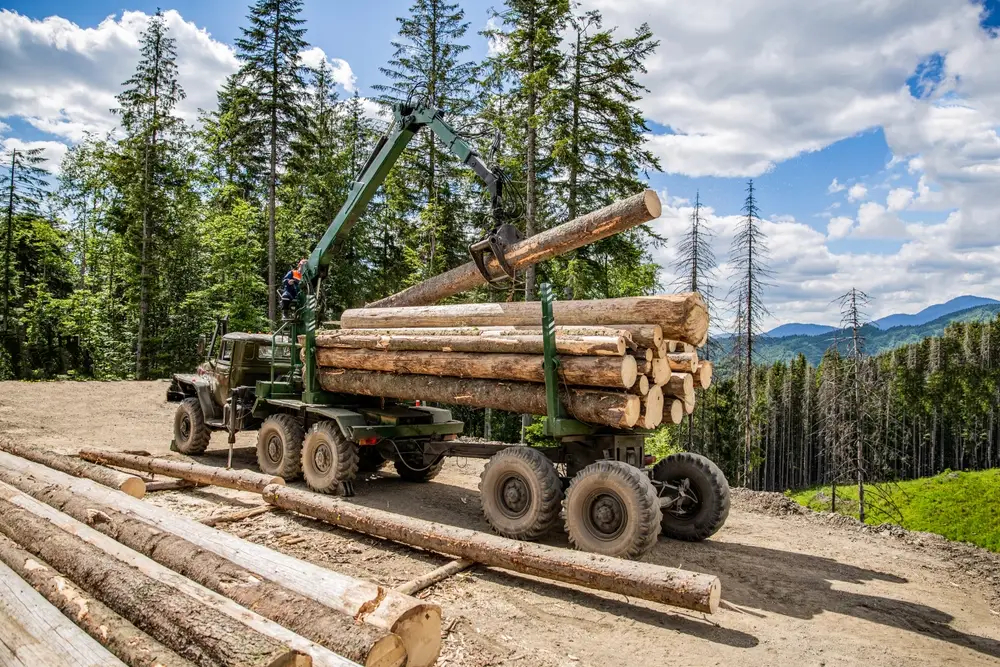
Summer’s intense heat and extended operating hours place tremendous stress on forestry equipment. Cooling systems work overtime, hydraulic fluids reach higher temperatures, and dust infiltration increases significantly. Your summer maintenance strategy must address these harsh operating conditions proactively.
Cooling system maintenance becomes paramount during summer operations. Clean radiators, oil coolers, and hydraulic coolers daily to prevent overheating. Remove debris, leaves, and sawdust that can block airflow and reduce cooling efficiency. Check coolant levels frequently and monitor operating temperatures closely, especially during peak heat periods.
Air filtration systems face their greatest challenge during dusty summer conditions. Inspect and clean air filters more frequently than normal maintenance intervals suggest. Consider upgrading to high-efficiency filters for extremely dusty environments. Pre-cleaners can significantly extend primary filter life and improve engine protection.
Hydraulic fluid temperatures rise significantly during summer operations. Monitor fluid temperatures closely and consider installing temperature gauges if not already equipped. High temperatures can break down hydraulic fluid, leading to reduced lubrication properties and potential component failure. Maintain proper fluid levels and consider switching to high-temperature hydraulic fluids if operating in extreme conditions.
Track and tire maintenance intensifies during summer operations. Hot surfaces and rough terrain accelerate wear patterns. Inspect tracks daily for loose bolts, worn pads, or damaged links. For wheeled equipment, monitor tire pressure regularly as heat increases internal pressure, potentially leading to overinflation and premature wear.
Fall preparation strategies
Fall maintenance focuses on preparing equipment for winter storage while addressing wear accumulated during the intensive operating season. This transitional period offers the perfect opportunity for major repairs and component replacements before winter downtime.
Comprehensive equipment inspection should identify components requiring replacement or repair during winter months. Document wear patterns and maintenance needs to plan winter work schedules effectively. Order necessary parts early to avoid spring delays when equipment must return to service quickly.
Fuel system preparation becomes critical as temperatures drop. Add fuel stabilizers to prevent fuel degradation during storage periods. Fill fuel tanks to minimize condensation, but leave room for thermal expansion. Consider switching to winter-grade fuels if equipment will continue operating through cold weather.
Lubrication systems require attention as temperatures decrease. Thinner oils may be necessary for cold weather starting. Change all oils and greases to winter-appropriate viscosities. Pay special attention to gear oils in final drives and transmissions, as cold weather can significantly affect shifting and operation.
Hydraulic systems need special consideration for cold weather operation. Cold temperatures increase fluid viscosity, placing additional stress on pumps and motors during startup. Consider switching to cold-weather hydraulic fluids and ensure proper warm-up procedures are followed during cold starts.
Winter storage and cold weather maintenance
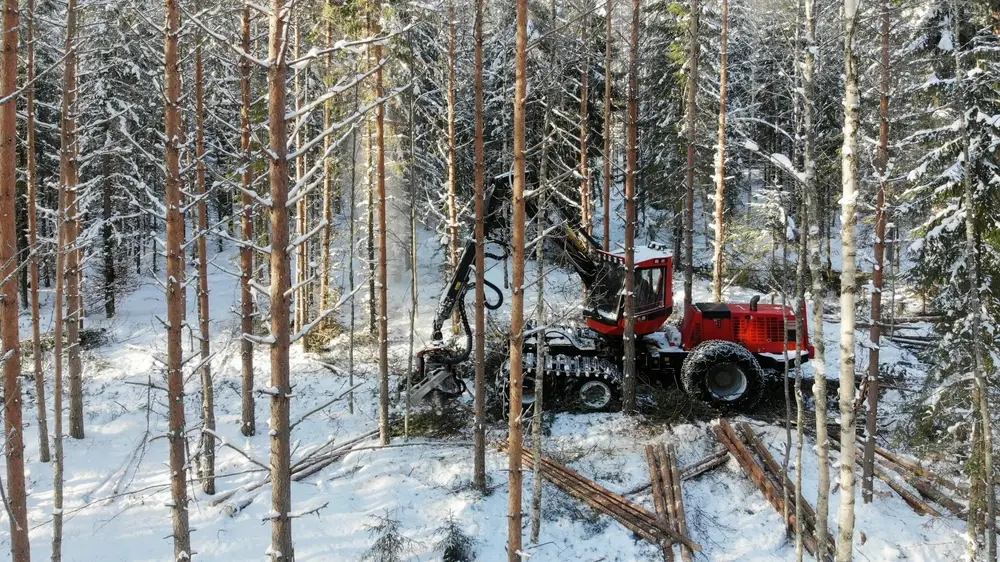
Winter maintenance strategies vary significantly depending on whether equipment remains in active service or enters seasonal storage. Both scenarios require specific maintenance approaches to prevent damage and ensure reliable spring startup.
For equipment entering winter storage, proper preparation prevents costly spring surprises. Clean equipment thoroughly to remove debris and corrosive materials. Apply protective coatings to exposed metal surfaces prone to corrosion. Store equipment in dry, covered facilities when possible to minimize weather exposure.
Battery maintenance during winter storage requires special attention. Remove batteries from stored equipment and maintain them in heated facilities. Use battery maintainers to prevent discharge and sulfation. For equipment remaining in service, check batteries regularly as cold weather significantly reduces capacity and cranking power.
Engine block heaters become essential for equipment operating in cold conditions. Install and use block heaters to reduce cold-start wear and improve reliability. Cold starts without proper warming cause excessive wear and reduce engine life significantly. Implement proper warm-up procedures for all cold starts.
Cold-weather operating procedures protect equipment during winter service. Allow extended warm-up periods for hydraulic systems and engines. Monitor operating temperatures closely and avoid high-demand operations until equipment reaches proper operating temperature. Keep fuel tanks filled to prevent condensation and fuel line freezing.
Professional maintenance support
While operators can handle routine maintenance tasks, complex repairs and major overhauls require professional expertise. Establishing relationships with qualified service providers ensures access to specialized knowledge and genuine replacement parts when needed.
At Forestry Equipment Depot, our experienced technicians understand the unique demands of forestry equipment operation. We provide comprehensive maintenance services, genuine parts, and expert advice to keep your machinery operating at peak performance throughout every season.
Documentation plays a crucial role in effective maintenance management. Maintain detailed records of all maintenance activities, repairs, and component replacements. This information helps identify patterns, plan future maintenance needs, and maintain warranty coverage. Digital maintenance management systems can streamline record-keeping and improve maintenance scheduling accuracy.
Ready to implement a comprehensive seasonal maintenance program for your forestry equipment? Contact Forestry Equipment Depot today to discuss your maintenance needs and discover how our expert services can help maximize your equipment’s performance and longevity. Our team of professionals is ready to support your operation with reliable maintenance solutions, genuine parts, and dependable service you can trust.