The forestry industry is experiencing a technological revolution that’s transforming how contractors and operators approach land-clearing, timber harvesting, and forest management. From GPS-guided machinery to smart sensors and automated systems, modern forestry equipment technology is delivering unprecedented levels of efficiency, safety, and environmental responsibility. At Forestry Equipment Depot, we stay at the forefront of these innovations to provide our clients with cutting-edge solutions that drive productivity and profitability.
Smart technology integration in modern forestry equipment
Today’s forestry equipment goes far beyond traditional mechanical systems. Intelligent control systems are now standard features in premium machinery, offering operators real-time data about performance metrics, maintenance schedules, and operational efficiency. These systems integrate seamlessly with mobile applications, allowing fleet managers to monitor multiple machines from a single dashboard.
GPS technology has revolutionized precision forestry operations. Modern harvesters and forwarders can map terrain, track harvesting patterns, and optimize route planning automatically. This technology reduces fuel consumption by up to 15% while increasing harvest accuracy and minimizing environmental impact on sensitive forest ecosystems.
Telematics systems provide continuous monitoring of engine performance, hydraulic pressures, and component wear. This predictive maintenance capability helps prevent costly breakdowns and extends equipment lifespan significantly. Operators receive alerts when service intervals approach or when unusual operating conditions are detected.
Automation and autonomous features enhancing safety
Safety remains the top priority in forestry operations, and technological innovations are making substantial contributions to operator protection and accident prevention. Automated boom control systems prevent equipment from exceeding safe operating angles, while proximity sensors detect obstacles and automatically adjust machine movements to avoid collisions.
Advanced cab design incorporates reinforced operator protection structures with improved visibility systems. Multi-camera setups provide 360-degree visibility around the machine, while augmented reality displays overlay critical information directly onto the operator’s field of view. These features reduce blind spots and improve situational awareness in challenging forest environments.
Semi-autonomous features are becoming increasingly common in high-end forestry equipment. Automated tree delimbing, precision cutting systems, and load balancing technologies reduce operator fatigue while maintaining consistent performance throughout extended work shifts. Emergency shutdown systems can detect dangerous conditions and safely halt operations to protect both operators and equipment.
Environmental sustainability through innovative design
Modern forestry equipment manufacturers prioritize environmental responsibility through innovative engine technologies and operational design improvements. Tier 4 Final emission standards have driven the development of cleaner diesel engines that dramatically reduce particulate matter and nitrogen oxide emissions without sacrificing power or performance.
Hybrid power systems are emerging in certain equipment categories, combining traditional diesel engines with electric motors to reduce fuel consumption and noise levels. These systems are particularly beneficial in sensitive environmental areas where noise reduction is critical for wildlife protection.
Advanced hydraulic systems feature regenerative technology that captures and reuses energy from boom and arm movements, improving fuel efficiency by up to 20%. Variable displacement pumps adjust hydraulic flow based on demand, reducing unnecessary energy consumption during lighter operations.
Low ground pressure tire designs and track systems minimize soil compaction and forest floor disturbance. These innovations allow operations to continue in wet conditions while preserving soil structure and protecting root systems of remaining trees.
Precision forestry and data-driven decision making
The integration of advanced sensors and data analytics is enabling precision forestry practices that optimize resource utilization and improve forest management outcomes. LiDAR systems mounted on equipment can create detailed 3D maps of forest stands, measuring tree diameter, height, and volume with remarkable accuracy.
Machine learning algorithms analyze harvesting data to identify optimal cutting patterns, predict yield volumes, and recommend equipment configurations for specific site conditions. This data-driven approach reduces waste, improves lumber quality, and maximizes revenue from harvesting operations.
Real-time inventory tracking systems monitor log production, sort materials by grade and species, and maintain chain-of-custody documentation automatically. This technology streamlines the supply chain from forest to mill, reducing administrative overhead and improving traceability for certification programs.
Weather monitoring integration allows equipment to adjust operations based on environmental conditions. Systems can automatically modify cutting parameters for different wood moisture levels or adjust traction control settings for changing ground conditions.
Connectivity and fleet management solutions
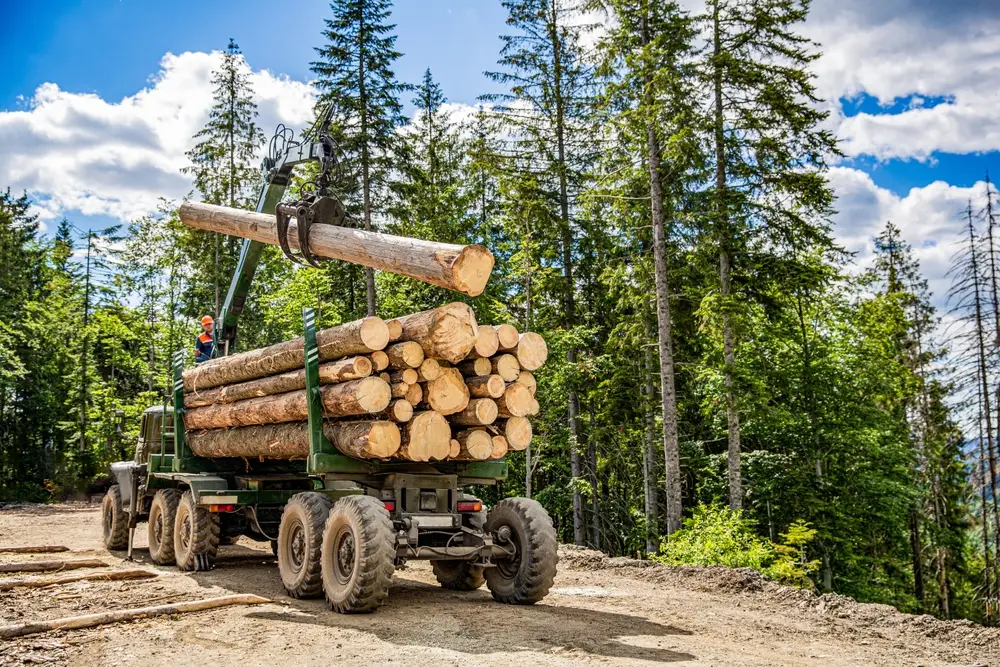
Modern forestry operations require seamless communication between equipment, operators, and management teams. Cellular and satellite connectivity enables real-time data transmission from remote forest locations, ensuring continuous monitoring and support capabilities.
Cloud-based fleet management platforms aggregate data from multiple machines to provide comprehensive operational insights. Fleet managers can track productivity metrics, fuel consumption, maintenance schedules, and operator performance across entire operations. These systems generate automated reports and predictive analytics that inform strategic decision-making.
Mobile applications allow operators to access equipment manuals, troubleshooting guides, and maintenance procedures directly from their smartphones or tablets. Augmented reality support tools can overlay diagnostic information onto equipment components, guiding technicians through complex repair procedures.
Integration with enterprise resource planning systems enables seamless coordination between field operations and business management functions, improving efficiency and reducing administrative costs.
Partner with forestry equipment depot for cutting-edge solutions
The rapid pace of technological advancement in forestry equipment creates both opportunities and challenges for contractors and operators. Staying current with the latest innovations requires expertise, reliable support, and access to quality equipment from trusted manufacturers.
Forestry Equipment Depot specializes in connecting our clients with the most advanced forestry and land-clearing equipment available. Our team of experts stays informed about emerging technologies and can help you evaluate which innovations will provide the greatest benefit for your specific operations.
We offer comprehensive support services including equipment training, maintenance programs, and technical assistance to ensure you maximize the return on your technology investments. Our partnerships with leading manufacturers provide access to the latest equipment releases and exclusive demonstration opportunities.
Contact Forestry Equipment Depot today to discuss how the latest forestry equipment technology can improve your operations’ efficiency, safety, and profitability. Let our expertise guide you toward the innovative solutions that will keep your business competitive in the evolving forestry industry.