Forest land clearing is a critical process that requires careful planning, specialized equipment, and adherence to environmental regulations. Whether you’re preparing land for development, creating firebreaks, or managing forest resources, implementing proper land clearing techniques ensures project success while minimizing environmental impact. Professional forestry equipment plays a vital role in achieving efficient, safe, and sustainable land clearing operations.
Understanding the fundamentals of forest land clearing
Effective land clearing begins with thorough site assessment and planning. Professional contractors must evaluate terrain conditions, soil composition, and vegetation density before selecting appropriate equipment and methods. This preliminary assessment determines the most efficient approach and helps identify potential challenges that may arise during the clearing process.
Environmental considerations are paramount in modern land clearing operations. Operators must understand local regulations regarding protected species, wetland areas, and erosion control requirements. Proper planning ensures compliance with environmental standards while maintaining project timelines and budgets.
The selection of appropriate clearing methods depends on several factors including project scope, terrain accessibility, and intended land use after clearing. Selective clearing preserves valuable timber while removing unwanted vegetation, whereas complete clearing removes all vegetation for development purposes.
Essential equipment for professional land clearing operations
Bulldozers with specialized attachments form the backbone of most land clearing projects. These powerful machines equipped with brush rakes, root plows, or mulching heads can handle various vegetation types efficiently. Modern bulldozers feature advanced hydraulic systems and operator comfort features that enhance productivity during long clearing operations.
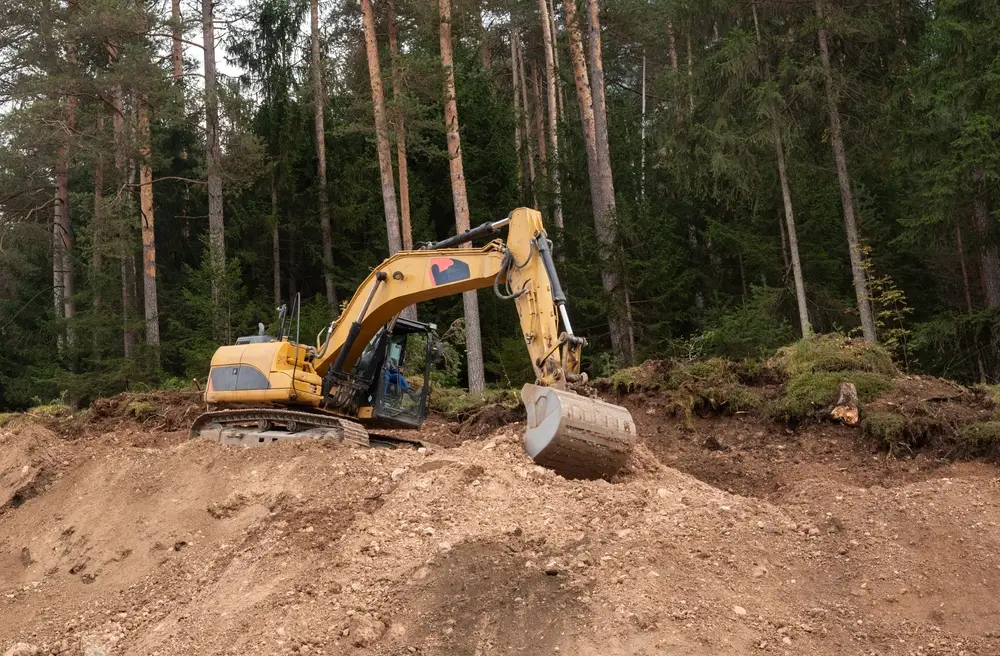
Excavators with forestry attachments offer versatility in selective clearing and precision work. Mulching heads, grapples, and shears allow operators to process different vegetation sizes while maintaining control over the clearing process. These machines excel in areas with limited access or when selective clearing is required.
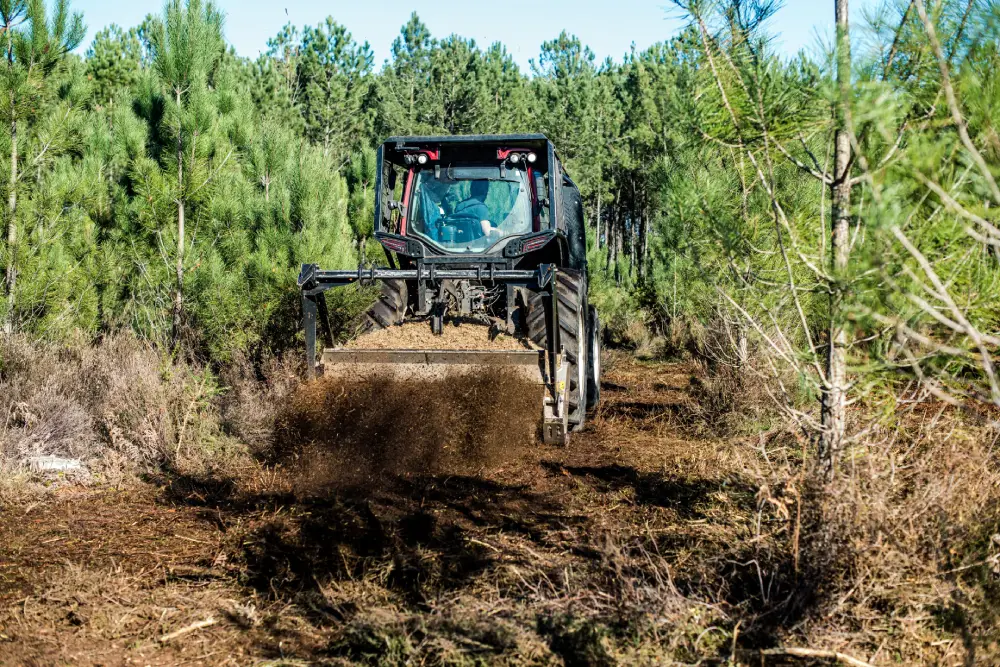
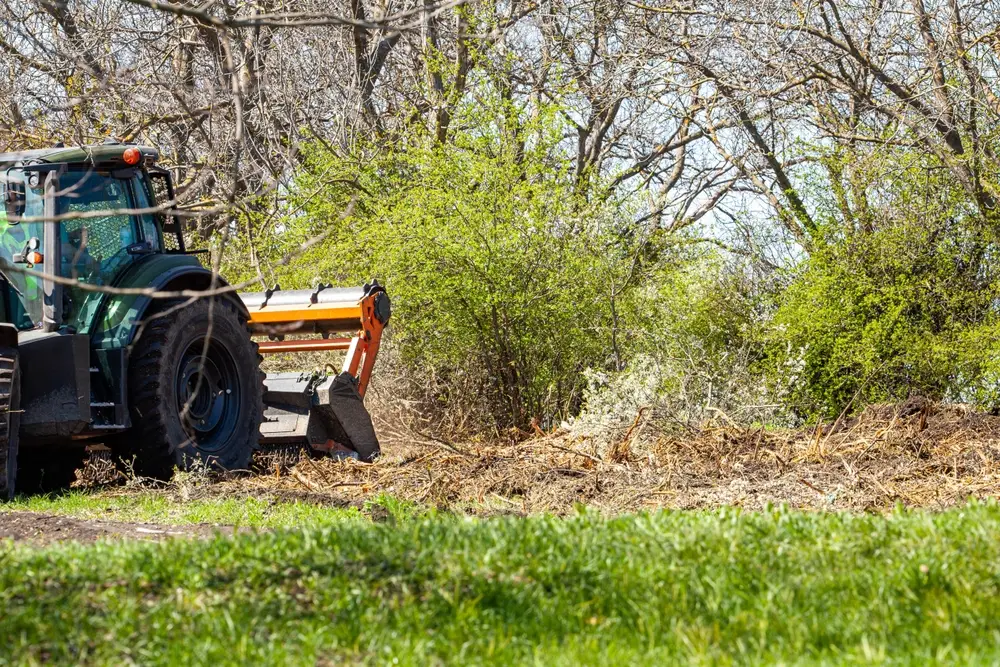
Forestry mulchers have revolutionized land clearing by combining cutting and processing capabilities in a single machine. These specialized units can clear and mulch vegetation in place, reducing the need for separate disposal operations while creating beneficial ground cover that helps prevent erosion.
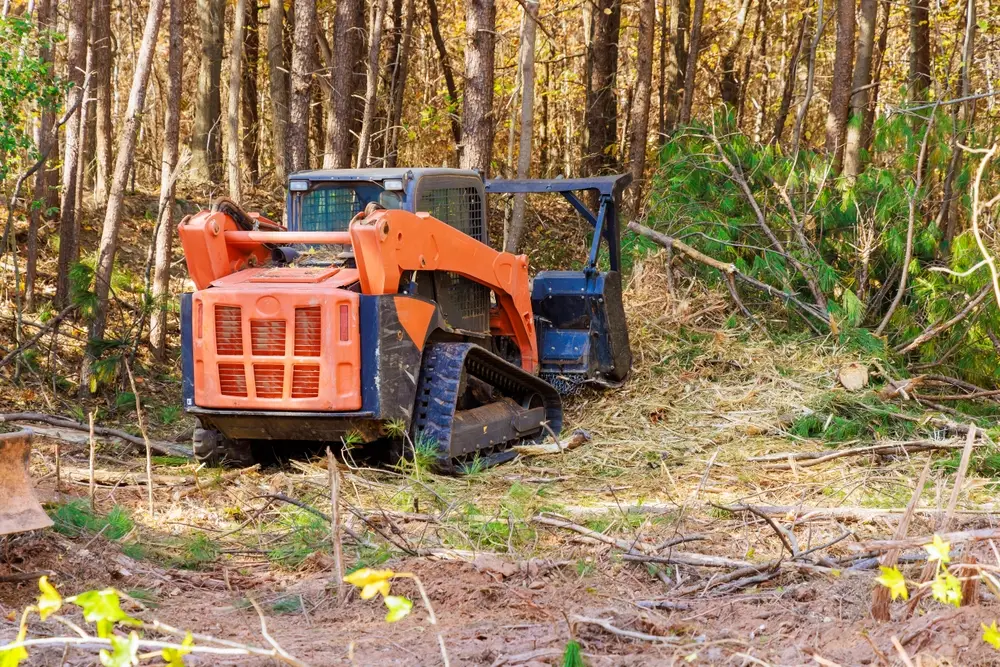
Track loaders equipped with forestry attachments provide excellent maneuverability in challenging terrain. Their lower ground pressure compared to wheeled equipment makes them ideal for working in soft or sensitive soil conditions where minimizing ground disturbance is important.
Best practices for safe and efficient clearing operations
Safety protocols must be established and strictly followed throughout all clearing operations. Operators should receive proper training on equipment operation and safety procedures before beginning work. Regular equipment maintenance and pre-operation inspections prevent mechanical failures that could lead to accidents or project delays.
Weather conditions significantly impact land clearing operations. Wet conditions can create hazardous working environments and cause excessive soil compaction. Planning clearing activities during optimal weather periods improves safety and reduces environmental impact while maintaining operational efficiency.
Staged clearing approaches often prove more effective than attempting to clear entire areas simultaneously. This method allows for better debris management and provides opportunities to adjust techniques based on changing site conditions. Progressive clearing also helps maintain erosion control throughout the project duration.
Proper debris management is essential for project success and environmental compliance. Merchantable timber should be harvested and processed appropriately, while brush and smaller material can be mulched or burned according to local regulations. Some projects benefit from chipping operations that create valuable biomass products.
Environmental considerations and sustainable practices
Erosion control measures must be implemented throughout the clearing process. Maintaining buffer zones around water sources and steep slopes prevents soil loss and protects water quality. Temporary erosion control devices such as silt fences or sediment basins may be required on larger projects.
Wildlife habitat preservation should be considered during planning phases. Selective clearing techniques can maintain wildlife corridors and preserve important habitat features while achieving project objectives. Timing clearing operations to avoid sensitive breeding seasons demonstrates environmental responsibility and may be required by local regulations.
Soil compaction mitigation helps preserve long-term land productivity. Using low ground pressure equipment and avoiding operations during wet conditions reduces soil damage. In sensitive areas, temporary access roads and staging areas can concentrate traffic and minimize overall site disturbance.
Restoration planning should begin during the clearing phase. Understanding intended land use helps determine appropriate clearing techniques and debris management strategies. Leaving organic matter on-site when possible provides nutrients for future vegetation establishment and helps maintain soil structure.
Equipment maintenance and operational efficiency
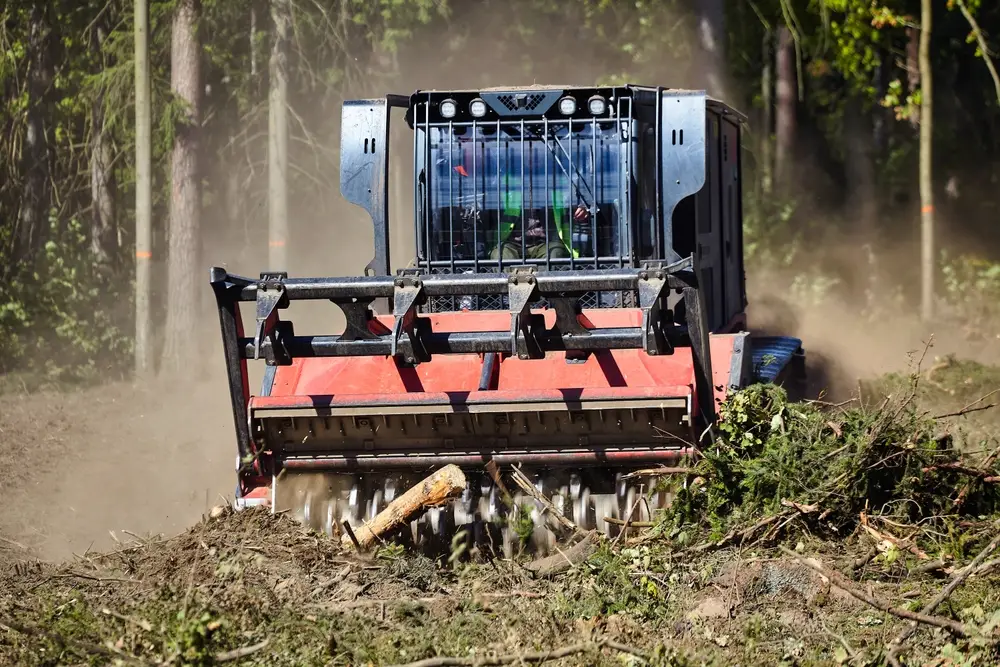
Regular maintenance schedules ensure equipment reliability and extend machine life. Daily pre-operation inspections identify potential issues before they become costly repairs or safety hazards. Maintaining sharp cutting tools and properly functioning hydraulic systems maximizes productivity and reduces fuel consumption.
Operator training directly impacts project efficiency and equipment longevity. Skilled operators understand how to match equipment capabilities to site conditions while avoiding unnecessary wear and tear. Continuous training on new techniques and equipment features keeps operators current with industry best practices.
Fuel management and equipment logistics require careful planning on remote clearing sites. Establishing fuel storage and service areas reduces downtime and transportation costs. Coordinating equipment schedules prevents conflicts and maximizes utilization of expensive machinery.
Partner with forestry equipment professionals
Successful forest land clearing projects depend on using the right equipment operated by skilled professionals. Whether you need specialized attachments, reliable machinery, or expert guidance on clearing techniques, partnering with experienced forestry equipment suppliers ensures project success.
Contact our forestry equipment specialists today to discuss your land clearing requirements. Our team provides comprehensive equipment solutions, technical support, and industry expertise to help you achieve efficient, safe, and environmentally responsible clearing operations. Let us help you select the optimal equipment configuration for your specific project needs and terrain conditions.