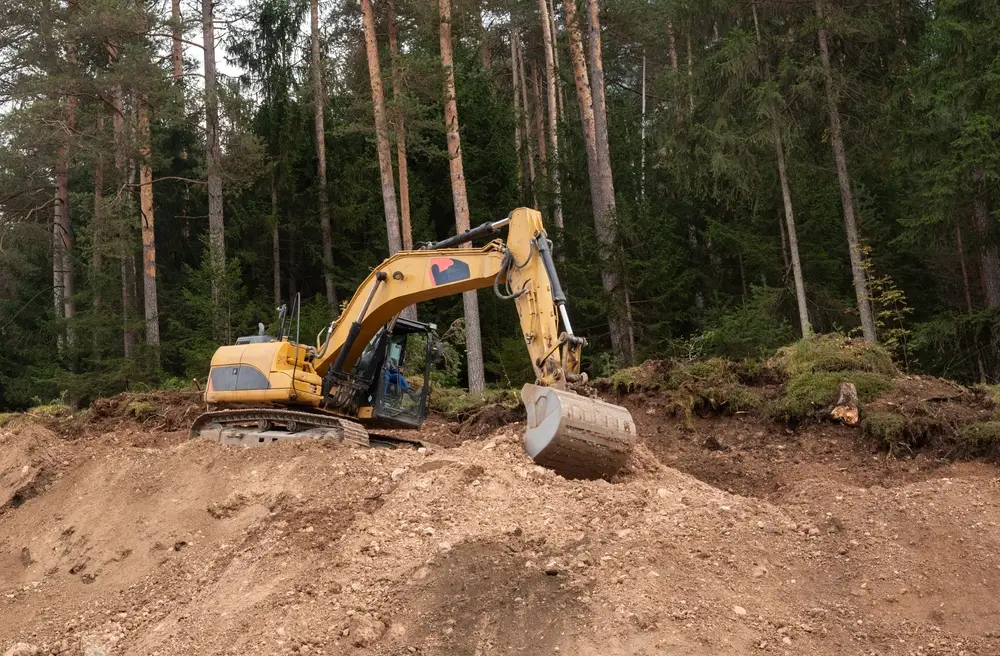
Selecting the appropriate attachments for your forestry equipment can make the difference between a successful project and costly delays. Whether you’re managing a small woodlot or operating large-scale land clearing operations, having the right attachments ensures maximum efficiency, safety, and productivity on every job site. The variety of available attachments for forestry equipment continues to expand, offering specialized solutions for cutting, mulching, grappling, and land preparation tasks.
Understanding which attachments work best for your specific applications requires careful consideration of multiple factors including terrain conditions, tree species, project scope, and equipment compatibility. The right attachment selection not only improves operational efficiency but also extends equipment life and reduces maintenance costs over time.
Understanding your forestry project requirements
Before investing in any attachment, conducting a thorough assessment of your project needs is essential. Different forestry operations demand specific attachment capabilities, and understanding these requirements helps prevent costly mistakes and ensures optimal performance.
Consider the primary tasks you’ll be performing most frequently. Are you focusing on selective tree removal, brush clearing, or full-scale land preparation? Each application requires different cutting patterns, power requirements, and debris handling capabilities. Projects involving dense undergrowth benefit from mulching attachments, while precision tree work may require specialized felling heads or delimbing attachments.
Terrain conditions significantly impact attachment selection. Rocky soil conditions demand reinforced cutting teeth and enhanced durability features, while wet or soft ground may require specific weight distribution considerations. Slope work requires attachments with superior stability and control features to maintain operator safety and precision cutting performance.
Tree species and size ranges also influence attachment choice. Hardwood species require more aggressive cutting capabilities compared to softwood operations, while larger diameter trees need attachments with increased cutting capacity and enhanced hydraulic power requirements.
Essential attachment categories for forestry operations
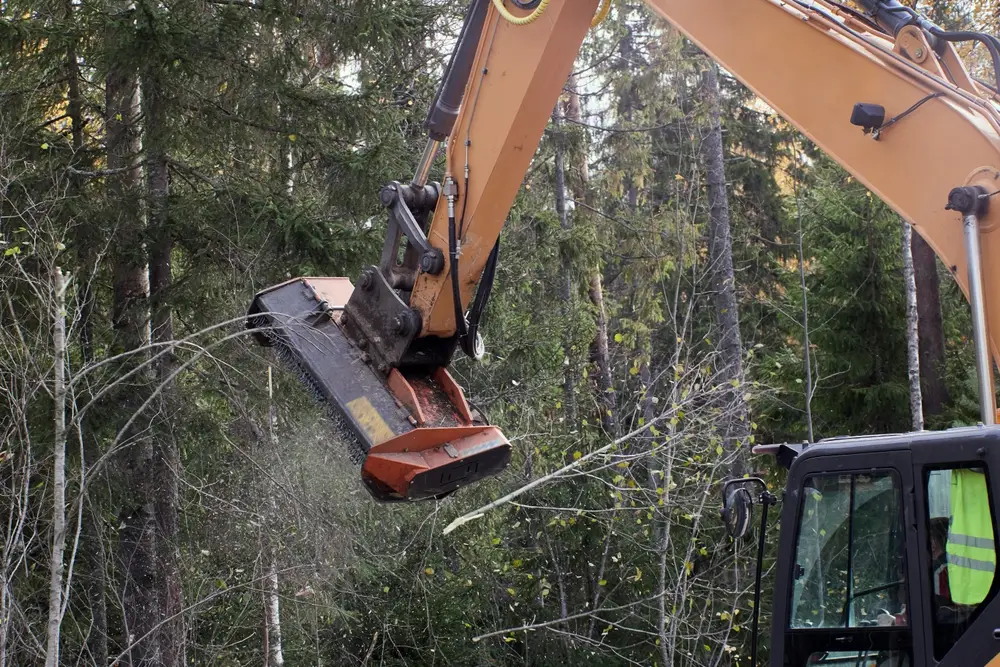
Modern forestry equipment supports numerous attachment categories, each designed for specific operational requirements. Understanding these categories helps operators make informed decisions about their equipment investments.
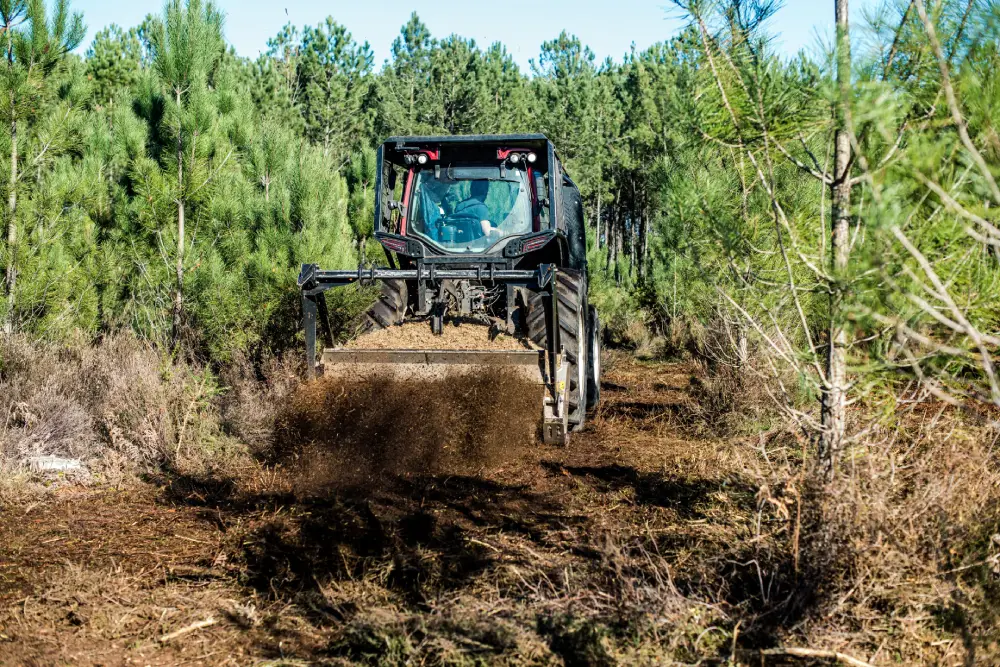
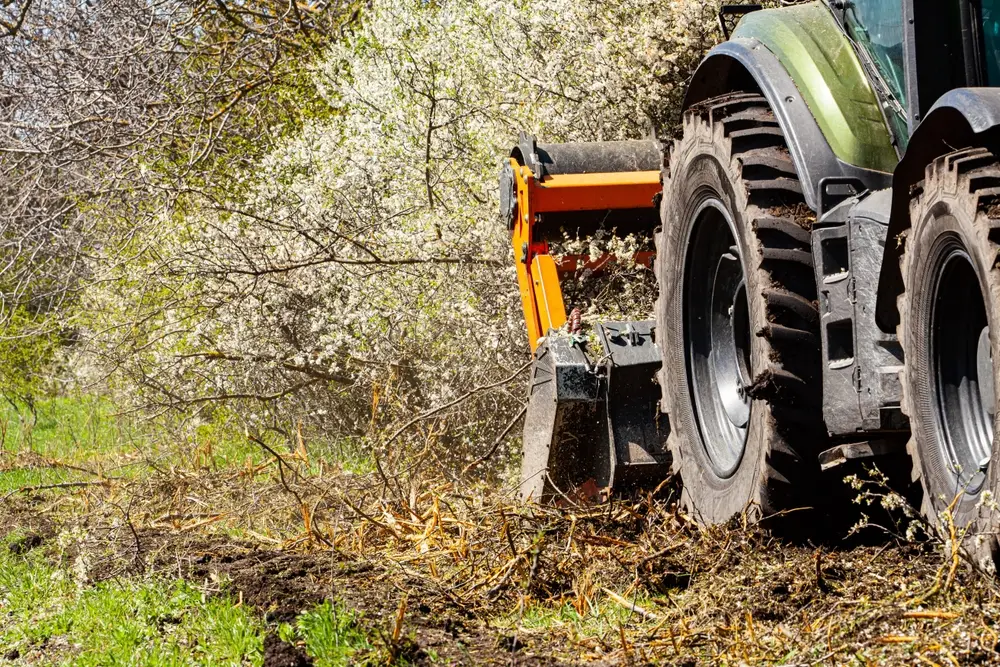
Mulching heads represent one of the most versatile attachment options for forestry work. These attachments excel at clearing brush, small trees, and undergrowth while simultaneously creating mulch that benefits soil health. Fixed-tooth and swing-hammer designs offer different cutting characteristics, with fixed-tooth models providing superior durability in rocky conditions and swing-hammer versions offering better performance in clean cutting applications.
Brush cutters and rotary cutters handle lighter vegetation removal tasks efficiently. These attachments work well for maintaining right-of-ways, creating firebreaks, and managing regrowth in previously cleared areas. Their lower operating costs make them ideal for routine maintenance operations.
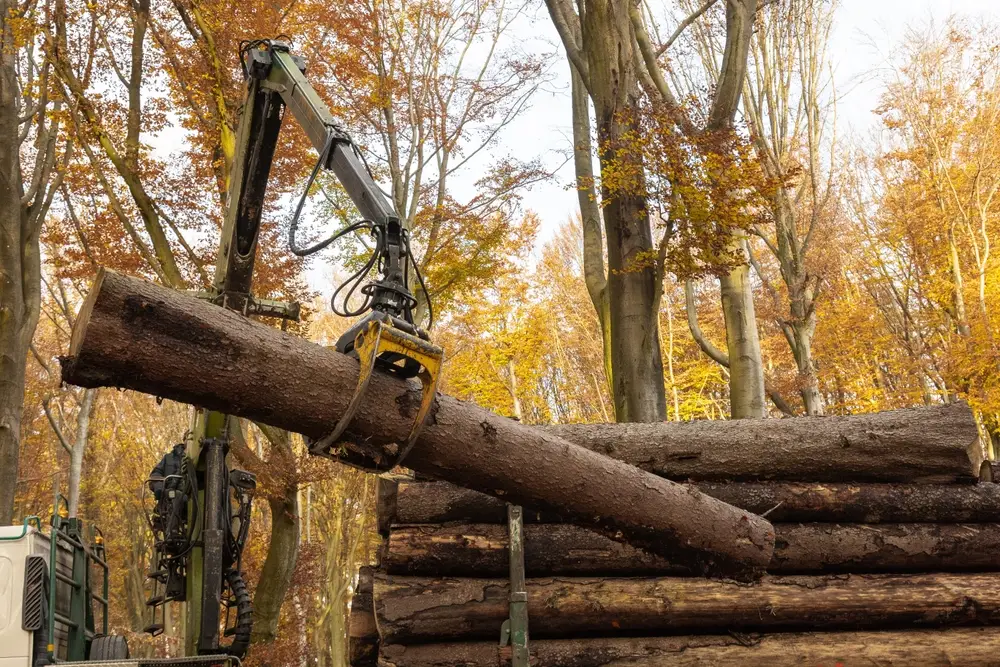
Grapple attachments provide essential material handling capabilities for forestry operations. Tree grapples, brush grapples, and log grapples each serve specific purposes in debris collection, sorting, and loading operations. Selecting the appropriate grapple design depends on the size and type of material being handled.
Specialized cutting attachments include felling heads for precise tree removal, delimbing heads for processing harvested timber, and stump grinders for complete site preparation. These attachments often require higher hydraulic flow rates and specialized mounting systems.
Matching attachments to your base equipment
Successful attachment integration requires careful attention to compatibility factors between the attachment and your base machine. Hydraulic flow rates, operating pressure, and mounting systems must align properly to ensure safe and efficient operation.
Most forestry attachments require high hydraulic flow rates to operate effectively. Verify your base machine’s hydraulic capacity matches or exceeds the attachment’s requirements. Insufficient hydraulic flow results in poor performance, increased wear, and potential equipment damage.
Weight considerations affect machine stability and lifting capacity. Heavy attachments may require counterweights or limit the machine’s working envelope. Understanding these limitations prevents unsafe operating conditions and maintains optimal machine balance during operation.
Mounting compatibility ensures proper attachment installation and operation. Quick-attach systems provide versatility for operators using multiple attachments, while dedicated mounting systems may offer enhanced durability for single-attachment applications.
Performance optimization and maintenance considerations
Maximizing attachment performance requires ongoing attention to maintenance schedules, operating techniques, and performance monitoring. Proper maintenance practices significantly extend attachment life while maintaining peak operational efficiency.
Regular inspection of cutting components identifies wear patterns and replacement needs before costly failures occur. Sharp cutting teeth and properly adjusted clearances ensure efficient cutting action and reduce power requirements. Maintaining proper cutting component alignment prevents premature wear and maintains cutting quality.
Hydraulic system maintenance becomes critical when operating high-flow attachments. Regular fluid changes, filter replacements, and system pressure checks prevent hydraulic failures that can damage both the attachment and base machine. Clean hydraulic fluid and proper operating temperatures extend component life significantly.
Operating technique training for equipment operators improves both productivity and equipment longevity. Understanding proper cutting speeds, approach angles, and debris handling techniques maximizes attachment performance while minimizing unnecessary wear and stress on components.
Performance monitoring through production tracking helps identify when attachments are operating below optimal levels. Declining productivity may indicate maintenance needs, improper application, or the need for attachment upgrades or replacements.
Making the investment decision
Choosing forestry equipment attachments represents a significant investment that impacts your operation’s profitability and efficiency for years to come. Evaluating total cost of ownership rather than initial purchase price provides a more accurate assessment of attachment value.
Consider factors beyond the initial purchase price including maintenance costs, replacement part availability, fuel consumption impacts, and expected service life. Higher-quality attachments often provide better long-term value through reduced maintenance requirements and longer service intervals.
Manufacturer support and service availability significantly impact attachment ownership experience. Choose manufacturers with established service networks, readily available replacement parts, and responsive technical support to minimize downtime and maintain productivity.
Training and operator certification programs offered by manufacturers help ensure proper attachment utilization and maintenance. Well-trained operators achieve better productivity while extending attachment life through proper operating techniques.
Ready to find the perfect attachments for your forestry equipment? Our experienced team at Forestry Equipment Depot provides expert guidance to help you select attachments that match your specific operational requirements and budget considerations. Contact us today to discuss your project needs and discover how the right attachments can transform your forestry operations’ efficiency and profitability.