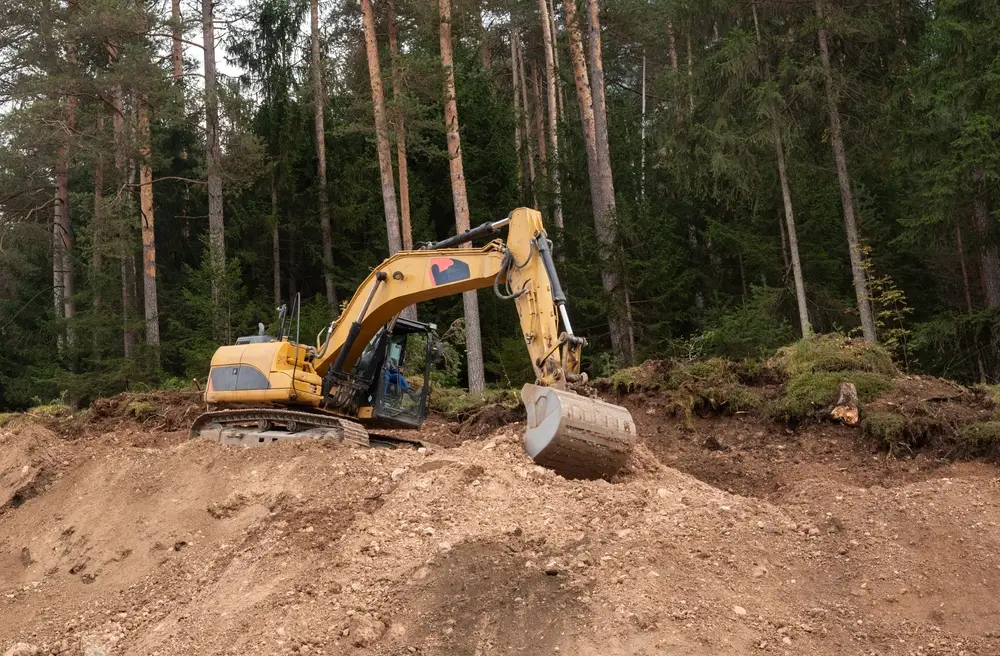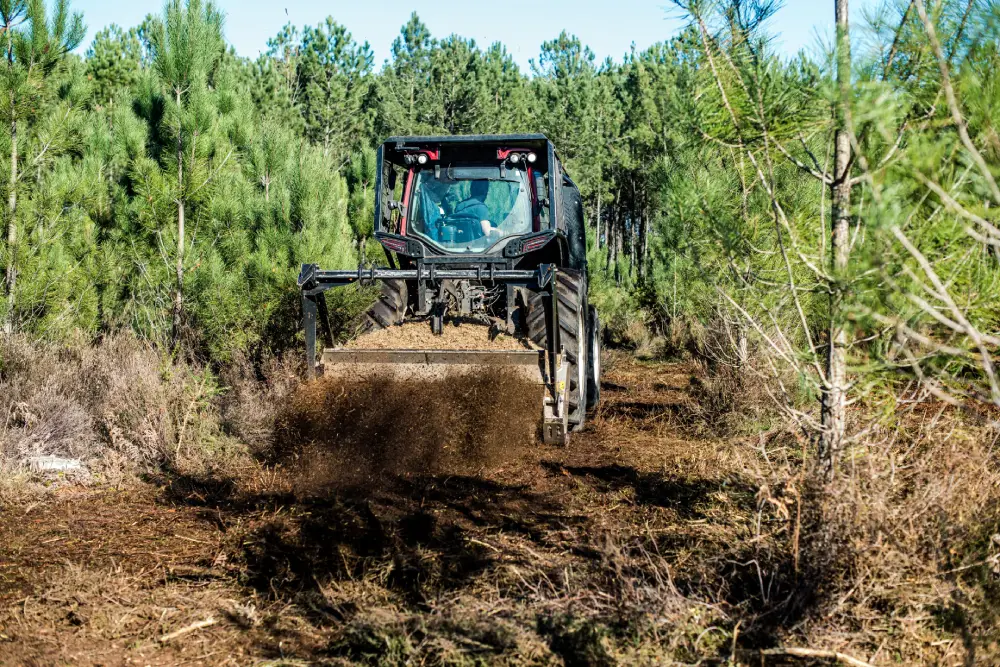
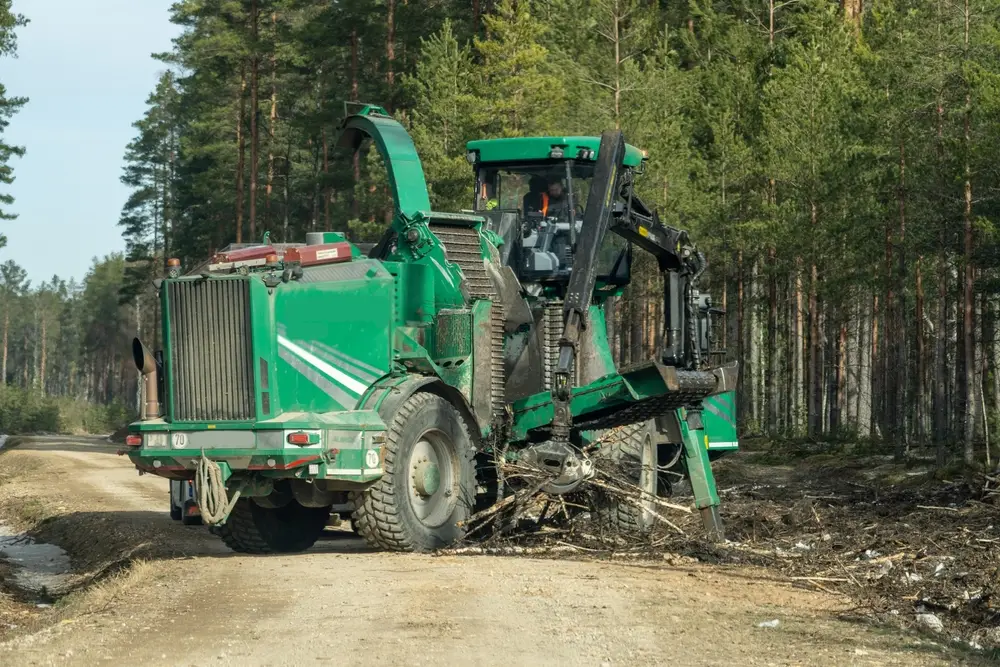
Professional forestry and land-clearing operations depend heavily on reliable, well-maintained equipment. When your machinery operates at peak performance, you maximize productivity, reduce costly downtime, and extend the lifespan of your investment. Proper maintenance isn’t just about fixing problems when they arise—it’s about preventing issues before they impact your operations and ensuring your forestry equipment delivers consistent results season after season.
At Forestry Equipment Depot, we understand that maintaining forestry machinery requires specialized knowledge and attention to detail. Our experience working with contractors and operators has shown us that a proactive maintenance approach can mean the difference between profitable operations and expensive repairs. Whether you’re operating excavators with forestry attachments, mulchers, or specialized land-clearing equipment, following proven maintenance practices will keep your machinery running strong.
Essential daily and weekly maintenance routines
The foundation of long-term forestry equipment performance begins with consistent daily and weekly maintenance routines. These regular inspections and basic maintenance tasks help identify potential problems early and prevent minor issues from becoming major repairs.
Start each operating day with a thorough visual inspection of your machinery. Check hydraulic hoses for leaks, cracks, or excessive wear, as hydraulic system failures are among the most common and expensive problems in forestry equipment. Inspect cutting attachments for damage, worn teeth, or loose bolts that could affect performance or create safety hazards.
Daily maintenance checklist should include:
- Engine oil and coolant level checks
- Hydraulic fluid inspection and top-off as needed
- Greasing of all lubrication points according to manufacturer specifications
- Air filter inspection and cleaning
- Track or tire condition assessment
- Attachment mounting point inspection
Weekly maintenance extends beyond daily checks to include more thorough inspections. Clean debris from cooling systems, inspect electrical connections for corrosion or damage, and check all safety systems including backup alarms and warning lights. Pay special attention to forestry equipment attachments, as these components face extreme stress during land-clearing operations.
Seasonal maintenance and storage best practices
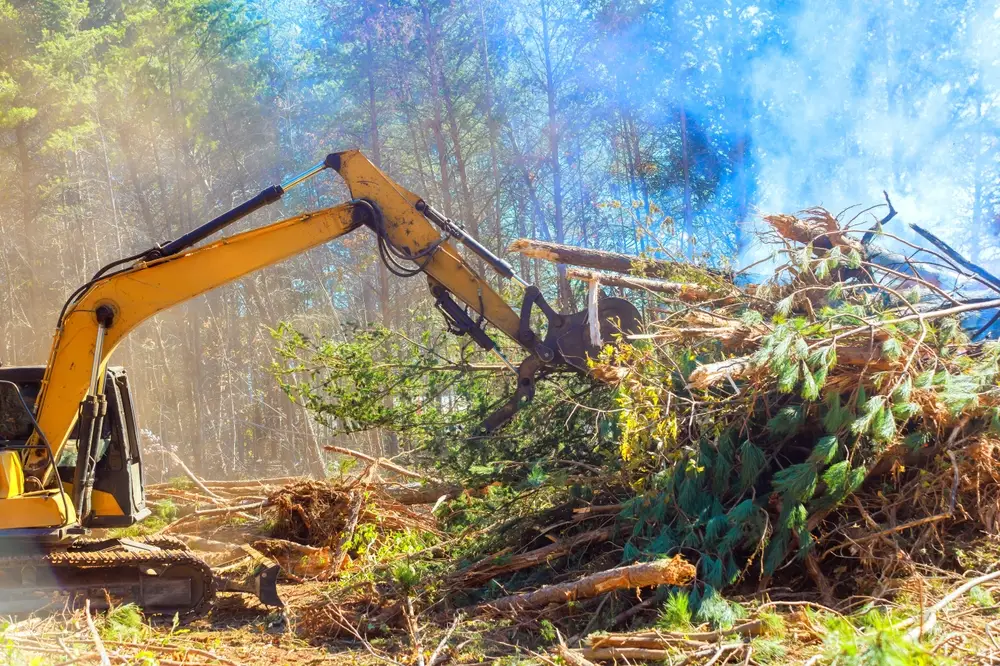
Forestry operations often follow seasonal patterns, making proper seasonal maintenance and storage crucial for machinery longevity. Preparing your equipment for extended storage periods and seasonal transitions helps prevent deterioration and ensures reliable startup when operations resume.
Before storing machinery for extended periods, perform comprehensive maintenance including complete fluid changes, thorough cleaning to remove organic debris that can cause corrosion, and proper lubrication of all moving parts. Apply protective coatings to exposed metal surfaces and ensure all hydraulic cylinders are properly retracted or protected.
Seasonal preparation includes:
- Comprehensive engine service including oil, filters, and cooling system flush
- Hydraulic system inspection and fluid replacement
- Complete greasing of all lubrication points
- Battery maintenance and proper storage procedures
- Fuel system treatment to prevent contamination
- Protective covering or indoor storage when possible
When bringing equipment out of storage, perform thorough pre-operational checks and allow systems to warm up gradually. This careful approach to seasonal transitions significantly extends equipment life and prevents costly startup failures.
Hydraulic system care and troubleshooting
Hydraulic systems power most forestry equipment functions, making their proper maintenance critical for reliable forestry machinery operation. These systems operate under extreme pressure and demanding conditions, requiring specialized attention to prevent failures that can sideline your operations.
Hydraulic fluid quality directly impacts system performance and component longevity. Contaminated fluid causes premature wear of pumps, cylinders, and valves, leading to expensive repairs and reduced efficiency. Implement a regular fluid sampling and analysis program to monitor contamination levels and change intervals.
Keep hydraulic systems clean by regularly inspecting and cleaning breather caps, reservoir tanks, and filter housings. Replace hydraulic filters according to manufacturer schedules, not just when they appear dirty. A clogged filter can cause system bypass, allowing contaminated fluid to circulate and damage components.
Critical hydraulic maintenance practices:
- Regular fluid analysis and contamination monitoring
- Scheduled filter replacement regardless of appearance
- Immediate repair of any hydraulic leaks
- Proper hose routing and protection from debris
- System pressure testing and calibration
- Temperature monitoring to prevent overheating
Engine maintenance for harsh operating conditions
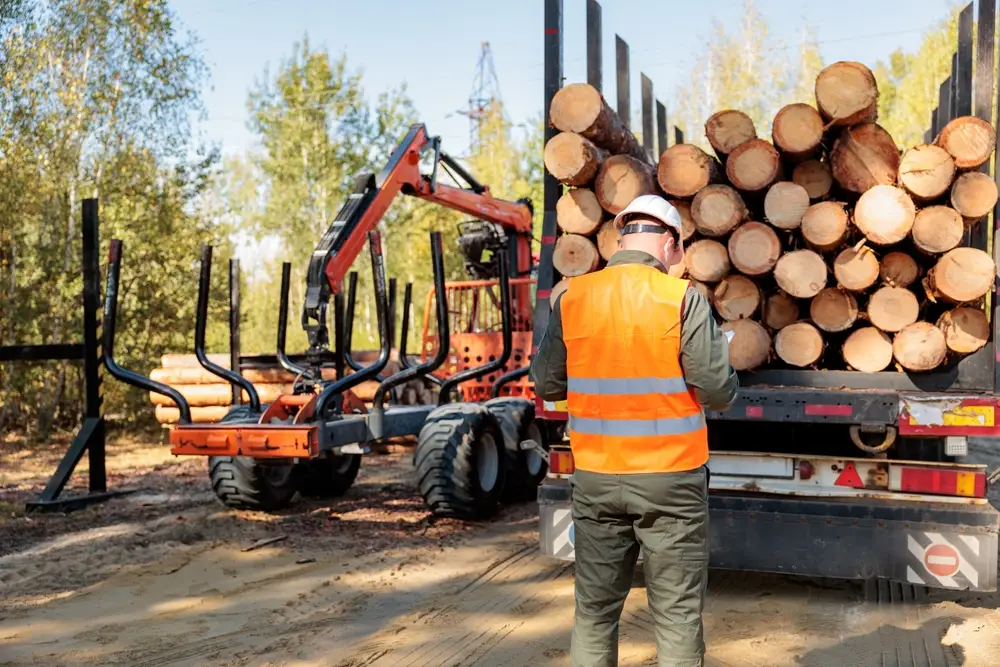
Forestry equipment engines operate in extremely demanding environments filled with dust, debris, and varying loads. These conditions require enhanced maintenance protocols beyond standard equipment to ensure long-term performance and prevent premature engine wear.
Air filtration becomes critically important in dusty forestry environments. Check and service air filters more frequently than standard recommendations, and consider upgrading to heavy-duty filtration systems for extreme conditions. A restricted air filter forces the engine to work harder and can lead to incomplete combustion and increased wear.
Cooling system maintenance takes on added importance when operating in debris-filled environments. Regularly clean radiators, oil coolers, and hydraulic coolers to prevent overheating. Use compressed air or pressure washing to remove accumulated debris, working from the inside out to avoid pushing contamination deeper into the cooling fins.
Monitor engine oil conditions closely, as forestry operations can accelerate oil degradation. Consider oil analysis programs to optimize change intervals and identify potential engine problems before they cause failures. Quality engine oil and proper change intervals are essential investments in machinery longevity.
Professional maintenance support and expert advice
While operators can handle many maintenance tasks, complex repairs and major services require professional expertise. Partnering with experienced forestry equipment specialists ensures your machinery receives proper care and helps identify potential issues before they become expensive problems.
Professional maintenance services provide access to specialized tools, genuine parts, and technical expertise that may not be available in-house. Trained technicians can perform complex diagnostics, calibrate hydraulic systems, and identify wear patterns that indicate underlying problems.
At Forestry Equipment Depot, our expert service team understands the unique demands of forestry equipment and provides comprehensive maintenance support. From routine servicing to major repairs, our technicians help keep your machinery operating at peak performance while maximizing your equipment investment.
Ready to optimize your forestry equipment maintenance program? Contact Forestry Equipment Depot today for professional maintenance services, genuine parts, and expert advice tailored to your specific equipment needs. Our experienced team provides the dependable service and reliable solutions that keep your forestry operations running efficiently and profitably.