Selecting the appropriate forestry equipment can make the difference between a successful, profitable project and one that drains your resources. Whether you’re a seasoned contractor or new to the forestry industry, understanding which forestry equipment best suits your specific needs is crucial for maximizing efficiency and minimizing costs. This comprehensive guide will walk you through the essential factors to consider when choosing the right machinery for your forestry operations.
Understanding your project requirements
Before investing in any forestry equipment, you must thoroughly assess your project’s unique demands. Land-clearing operations vary significantly in scope, terrain, and objectives, making it essential to match your equipment selection to your specific circumstances.
Start by evaluating the size and scale of your project. Small residential lot clearing requires different machinery than large-scale commercial forest management. Consider the terrain conditions you’ll be working with – steep slopes, wetlands, rocky ground, or dense vegetation all present unique challenges that specific equipment can address more effectively.
The type of vegetation you’ll be clearing is another critical factor. Removing brush and small trees demands different capabilities than harvesting mature timber or clearing stumps. Professional forestry equipment comes in various configurations designed for specific vegetation types and clearing methods.
Essential forestry equipment categories
Understanding the main categories of forestry equipment helps you identify which machines align with your project needs. Each type serves distinct purposes and offers unique advantages in different scenarios.
Excavators and forestry attachments
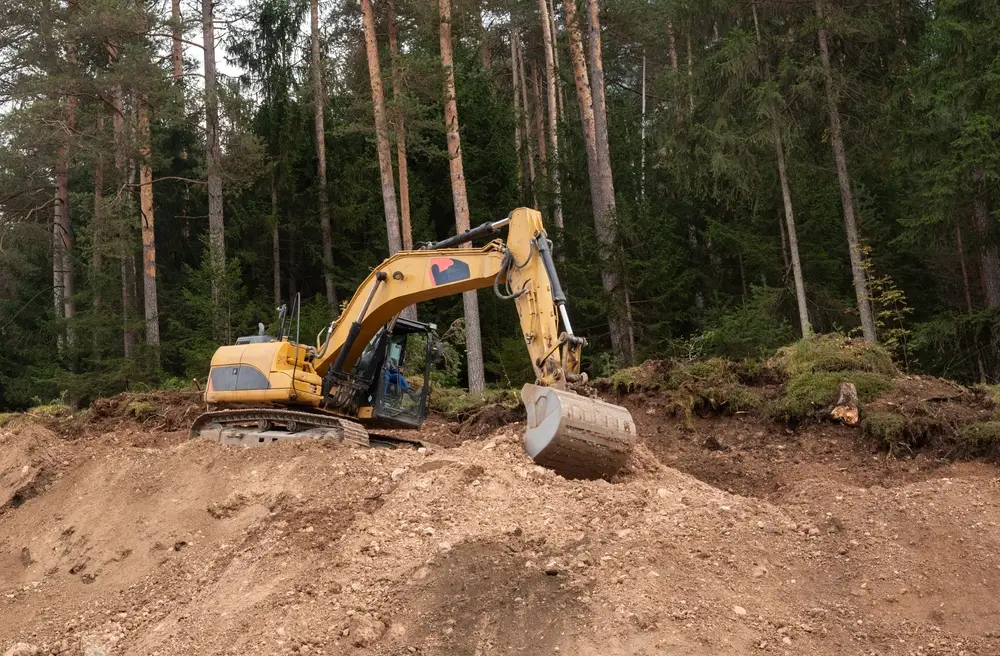
Excavators equipped with specialized forestry attachments represent one of the most versatile solutions for land-clearing projects. These machines can handle multiple tasks by switching between different attachments, making them cost-effective for contractors managing diverse projects.
Popular forestry attachments include mulching heads, brush cutters, stump grinders, and grapples. A single excavator can transform from a tree feller to a debris processor simply by changing attachments, providing excellent flexibility for varying project requirements.
Mulchers and brush cutters
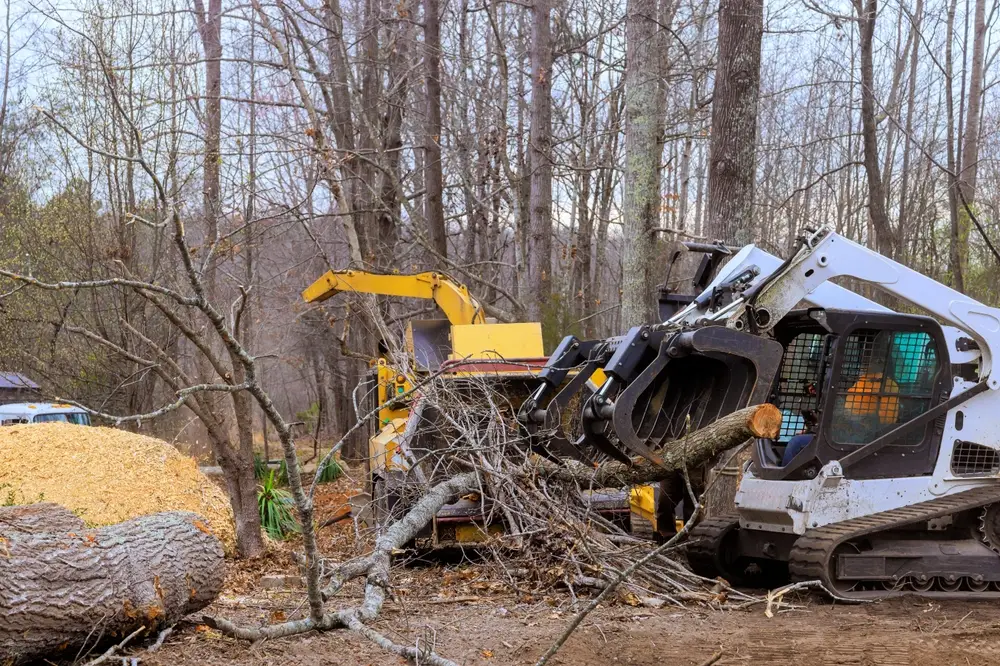
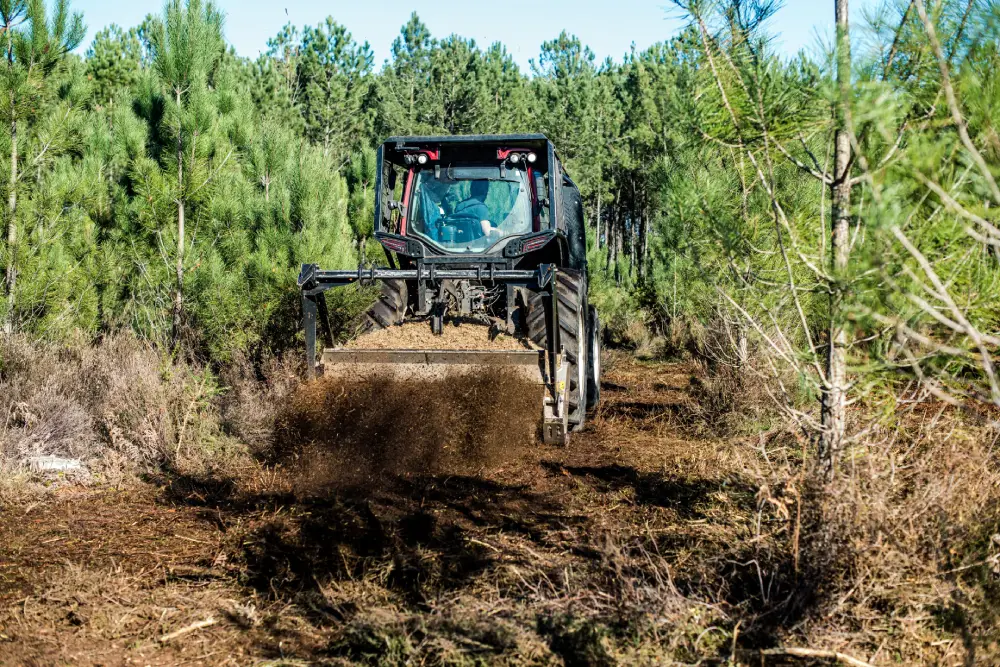
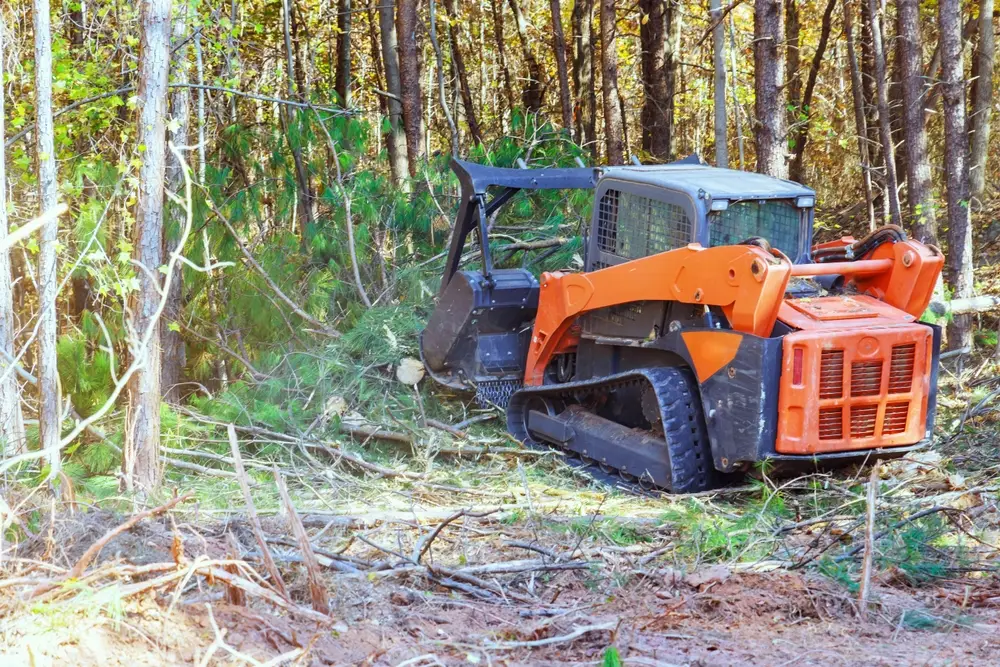
Mulching equipment excels in vegetation management and land clearing where you want to process debris on-site rather than hauling it away. These machines grind trees, brush, and stumps into mulch that can remain on the ground as organic matter or be collected for other uses.
Track mulchers work well in challenging terrain and sensitive areas where minimal ground disturbance is important. They provide excellent stability and can navigate slopes and soft ground conditions that might challenge wheeled equipment.
Skidders and forwarders
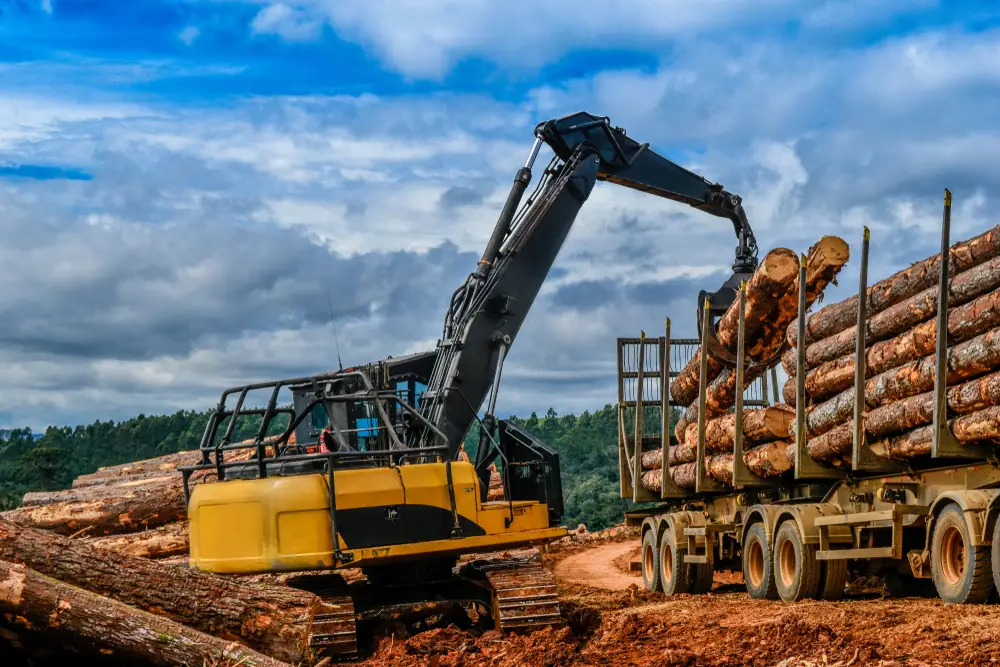
For timber harvesting operations, skidders and forwarders are essential for moving logs from the cutting site to landing areas. Cable skidders work well in steep terrain, while grapple skidders offer better efficiency in flatter areas with good access.
Forwarders carry logs rather than dragging them, reducing ground damage and working well in environmentally sensitive areas or where log quality is paramount.
Matching equipment to terrain and conditions
Terrain characteristics significantly influence equipment selection. Understanding how different machines perform in various conditions helps ensure you choose reliable solutions that maintain productivity throughout your project.
In wet or soft ground conditions, tracked equipment typically outperforms wheeled machines by distributing weight more evenly and providing better traction. However, wheeled equipment often moves faster on solid ground and may be more cost-effective for projects requiring frequent relocation between job sites.
Steep terrain operations require specialized consideration. Low ground pressure tracks, winch capabilities, and proper counterweights become crucial safety and productivity factors. Some equipment features specific slope ratings that help determine safe operating parameters.
Consider access limitations as well. Narrow gates, overhead power lines, or weight restrictions on bridges may eliminate certain equipment options. Compact equipment might be necessary even if larger machines would be more efficient, making it important to balance capability with accessibility.
Budget considerations and equipment acquisition
Equipment costs extend far beyond the initial purchase or rental price. Developing a comprehensive understanding of total ownership costs helps make financially sound decisions that protect your project profitability.
Consider operating costs including fuel consumption, maintenance requirements, operator training needs, and potential downtime. Some equipment types require specialized operators or more frequent servicing, impacting your overall project budget.
For many contractors, renting equipment for specific projects makes more financial sense than purchasing, especially for specialized attachments used infrequently. Rental options provide access to the latest technology without the long-term financial commitment of ownership.
When purchasing equipment, factor in resale value and depreciation rates. Well-maintained machines from reputable manufacturers typically retain value better and provide more reliable service throughout their operational life.
Working with equipment experts
Partnering with knowledgeable equipment suppliers provides access to expert advice that can significantly impact your project success. Experienced dealers understand local conditions, application requirements, and can recommend equipment configurations optimized for your specific needs.
Quality suppliers offer more than just equipment sales – they provide ongoing dependable service, parts availability, and technical support that keeps your operations running smoothly. This relationship becomes particularly valuable when equipment issues arise in the field.
Take advantage of dealer expertise by discussing your project requirements in detail. Many suppliers can arrange equipment demonstrations, allowing you to evaluate performance before making commitments. This hands-on experience often reveals important factors that aren’t apparent from specifications alone.
Start your next project with confidence
Choosing the right forestry equipment requires careful consideration of your project requirements, terrain conditions, budget constraints, and long-term operational needs. By understanding these factors and working with experienced equipment professionals, you can make informed decisions that enhance productivity and profitability.
At Forestry Equipment Depot, our team of experts understands the challenges facing contractors and operators in today’s competitive market. We provide comprehensive equipment solutions, from initial consultation through ongoing support, ensuring you have the right tools for every project. Contact us today to discuss your specific requirements and discover how our reliable solutions and expert guidance can help your operations succeed.